Sustainable Agriculture: Growing More Responsibly with Smarter Technology
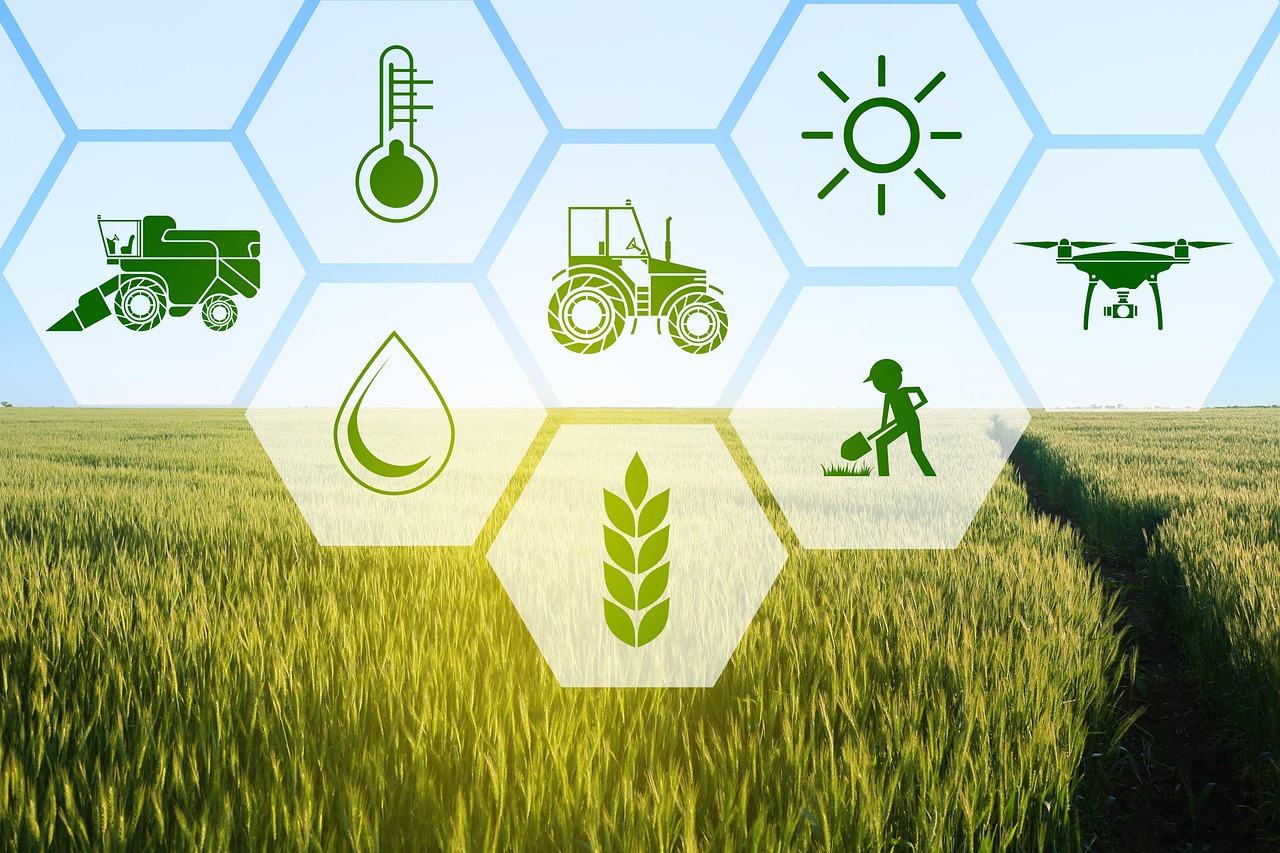
Agriculture is not only about producing more. It is also about producing responsibly using natural resources wisely, reducing unnecessary inputs, protecting soil and crop health, and making farming economically viable for farmers. As agriculture continues to evolve, sustainability is becoming an important part of how farms are managed. The goal is not simply to reduce the use of resources, but to use them more efficiently while maintaining productivity and protecting the resources that future farming depends on. This approach is closely aligned with the principles of Good Agricultural Practices (GAP)
Why Does Sustainable Agriculture Matter?
Modern farming depends on several important resources—water, soil, fertilizers, crop protection products, energy and labour. Inefficient use of any of these can increase costs and put unnecessary pressure on natural resources. For farmers, sustainability also has a direct economic connection.
Using the right input, at the right time, in the right quantity can help reduce wastage and unnecessary expenditure. At the same time, better crop monitoring and timely pest and disease management can help farmers make more informed decisions. Bharat GAP also emphasizes economic viability alongside environmental sustainability, with the objective ofmaintaining profitable farming while using available resources judiciously.
Drone Spraying: Using Water and Inputs More Efficiently
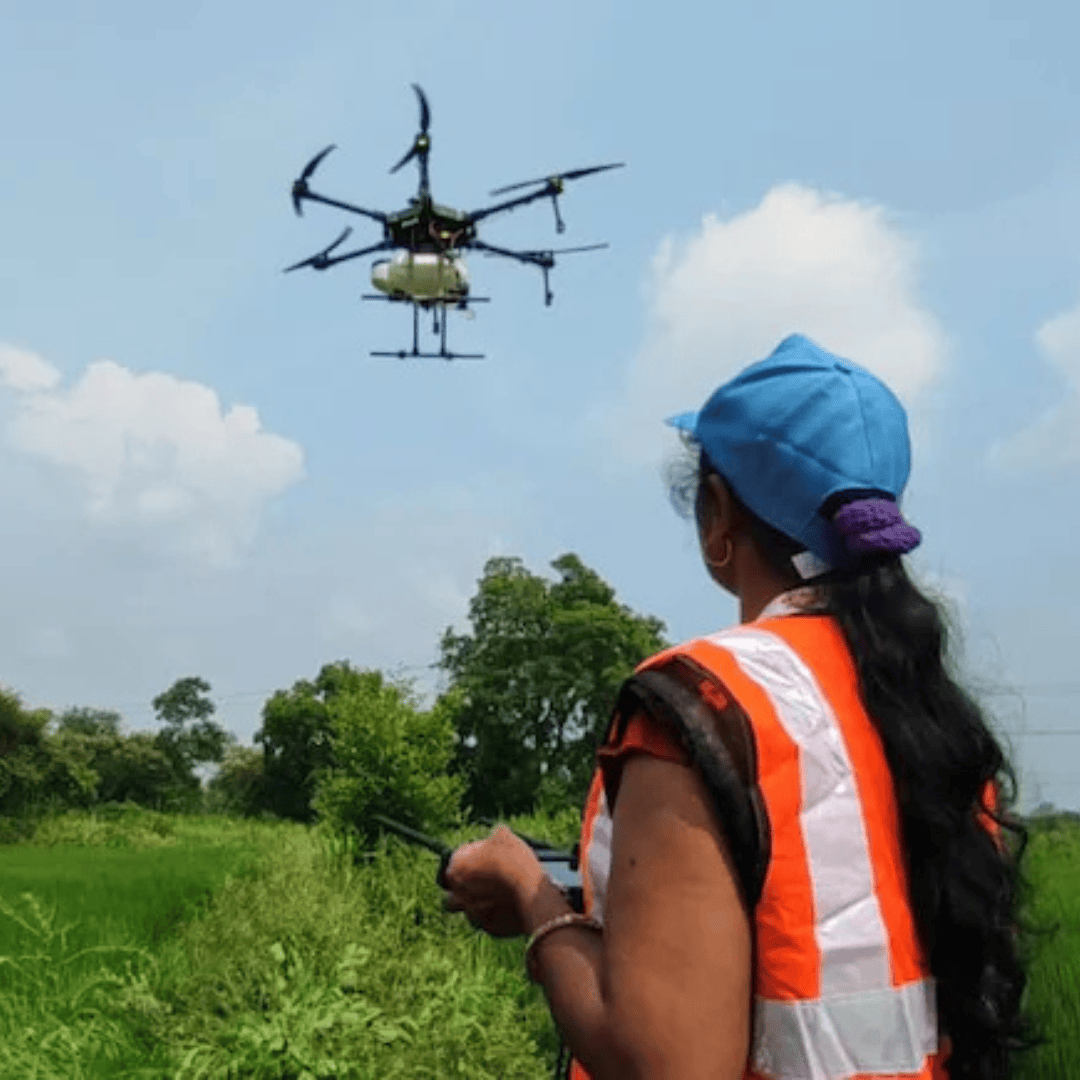
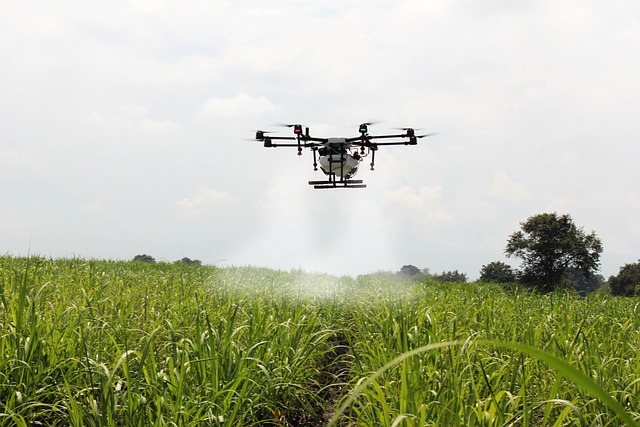
Conventional spraying methods can sometimes involve considerable water use and may result in uneven application. Field conditions, crop height, operator technique and equipment can all affect how a product reaches the crop. Drone spraying provides a more controlled method of application. Because drones can be used for targeted crop spraying, they can help reduce water requirements compared with conventional high-volume spraying practices. More controlled application can also improve uniformity and reduce unnecessary input wastage. The objective is not simply to use less. The objective is to use only what is required, where it is required, and in the appropriate manner. This principle is consistent with sustainable agricultural practices, where water and chemical inputs are expected to be managed judiciously and applied according to recommended requirements.
Protecting Soil and Crop Health Starts with Better Decisions
Sustainability cannot be discussed without talking about soil. Healthy soil is one of the most important foundations of long-term agricultural productivity. Bharat GAP specifically recommends regular soil testing and crop-based nutrient management as part of environmental sustainability and soil health management. This is why soil testing can be an important starting point for better farm decisions. Instead of applying nutrients based only on assumptions, soil testing can help provide information about the condition of the soil. This can support more appropriate nutrient management and help farmers avoid unnecessary input use.
At Gurudrone, soil testing and crop monitoring are part of our broader effort to support data-informed agricultural practices.
Sustainability Also Means Reducing Input Costs
For farmers, sustainability has to make economic sense. A farming practice cannot be considered truly practical if it protects resources but creates unnecessary financial pressure on the farmer. Efficient water use, reduced input wastage, precise application and better pest and disease management can all contribute to more efficient farm operations. Drone spraying can help reduce the amount of water required for applications, while precision and uniformity can help minimize unnecessary product wastage. When combined with appropriate recommendations, these improvements can also contribute to reducing input costs. The objective is therefore not simply environmental protection. It is about finding a balance between farm productivity, resource efficiency and economic viability
The Future of Sustainable Crop Protection
Sustainable crop protection is likely to become increasingly integrated. Integrated Pest Management (IPM), biological products, pheromone traps, sticky traps, crop monitoring and other preventive approaches can form part of a broader crop-management system. Bharat GAP itself recognizes IPM practices, awareness of pests and diseases, biological agents, and preventive methods such as pheromone traps and sticky colour plates as components of responsible crop management. At present, these are not all services that Gurudrone is implementing as part of its current operations. However, as agricultural technologies and practices evolve, integrating such approaches with precision application and crop monitoring can create further opportunities for sustainable farming. The future of agriculture may therefore not depend on one technology alone. It may depend on how multiple technologies and practices work together.
Gurudrone's Approach to Sustainable Agriculture
At Gurudrone, we bring technology into everyday farming to support more efficient and responsible agriculture. From drone spraying and precision application to soil testing and crop monitoring, our focus is on helping farmers use resources wisely, reduce unnecessary wastage and make better crop-management decisions. For us, sustainability is not separate from productivity—it is about building a smarter and more efficient farming system. The future of agriculture is not just about growing more.
It is about growing smarter and using resources more efficiently for a productive future.