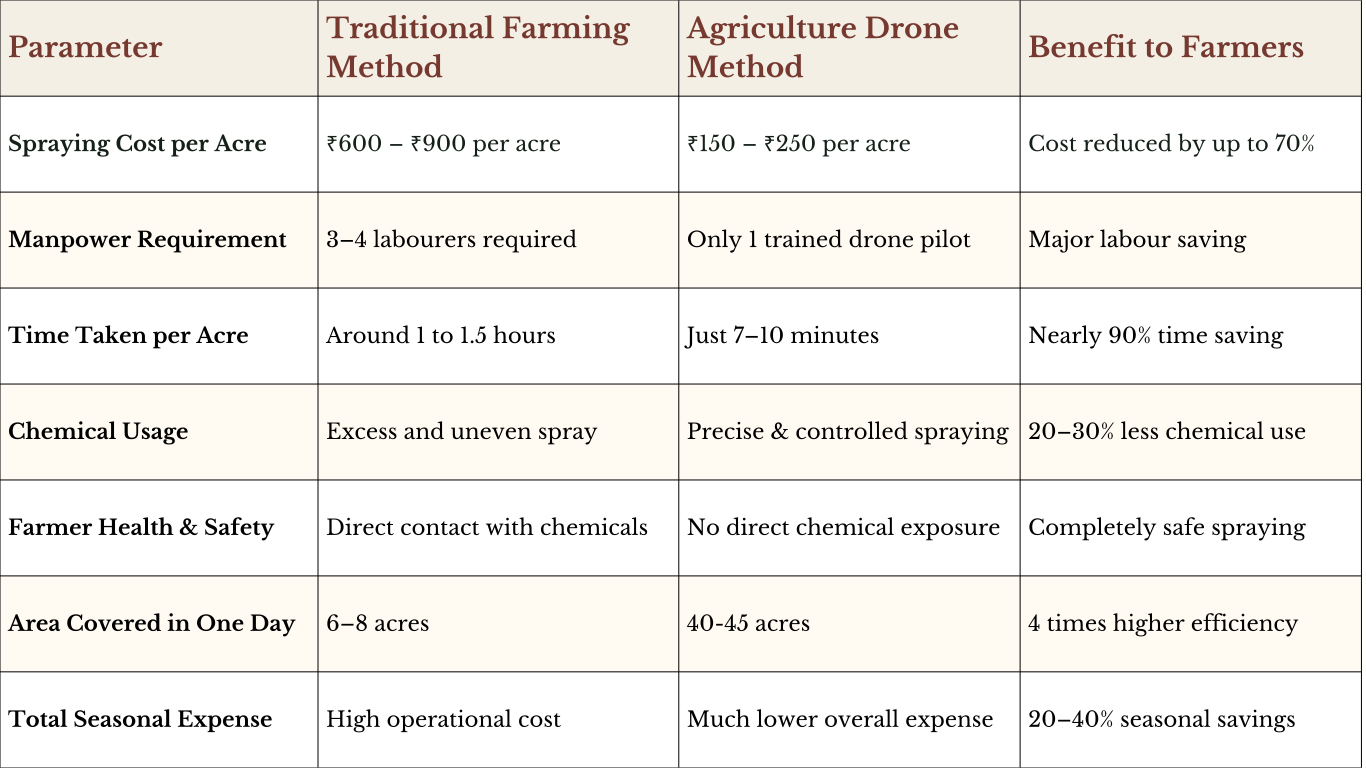
Why Drone Spray Is Different from Any Other Agriculture Spray????
Drone spraying is fundamentally different from conventional agricultural spraying methods because it directly addresses one of the most serious but often ignored issues in farming: human health and safety. In traditional knapsack and tractor spraying, farmers are physically present inside the chemical cloud. Pesticides enter the body through skin contact, inhalation, and even eyes, causing acute poisoning and long-term health damage. According to government and public health reports in India, thousands of pesticide poisoning cases are reported every year, and hundreds of deaths occur annually due to direct exposure during manual spraying, especially in rural areas where protective equipment is rarely used. Many more cases go unreported, leading to chronic problems like respiratory disorders, nerve damage, skin diseases, and hormonal imbalance.
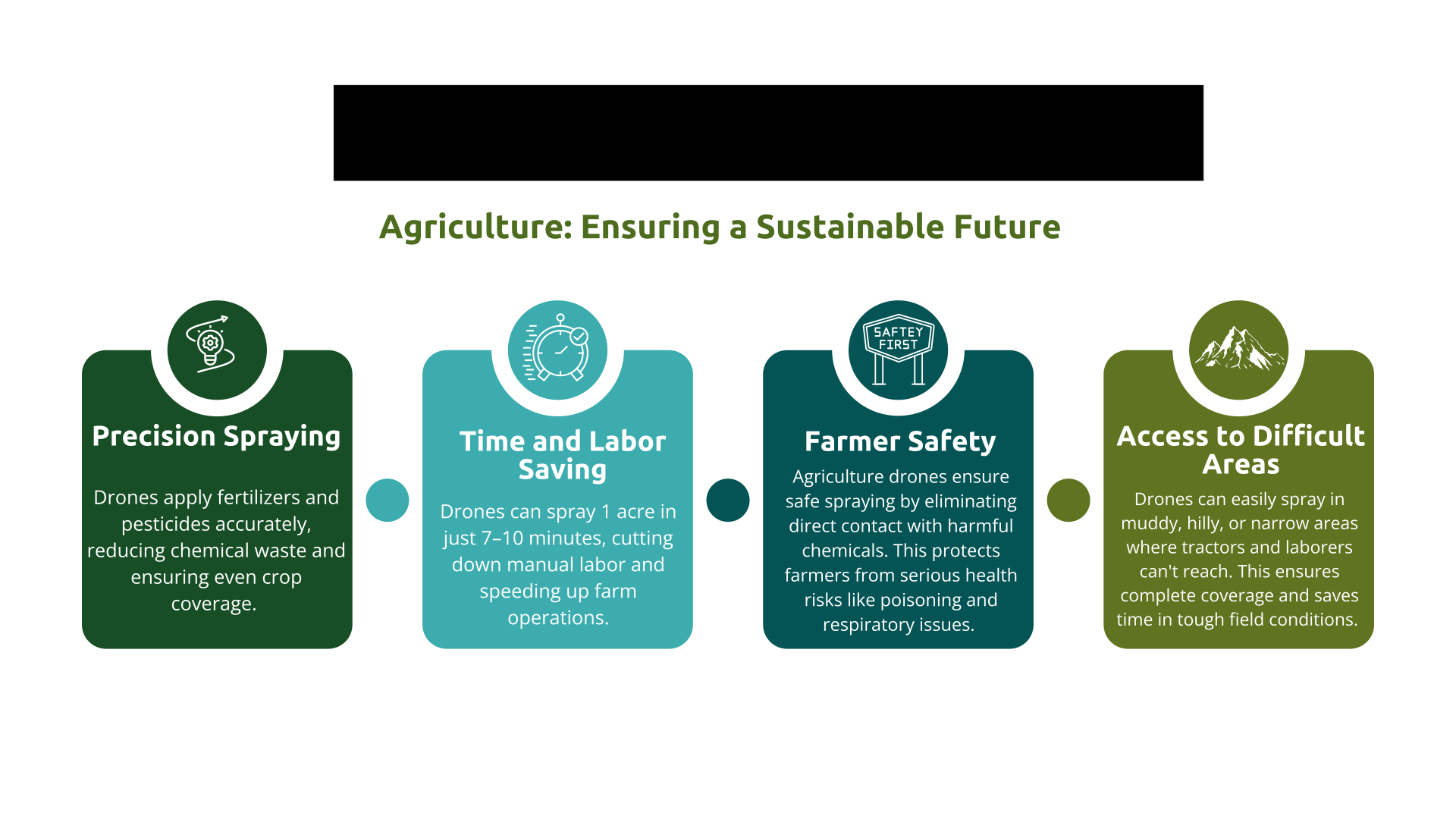
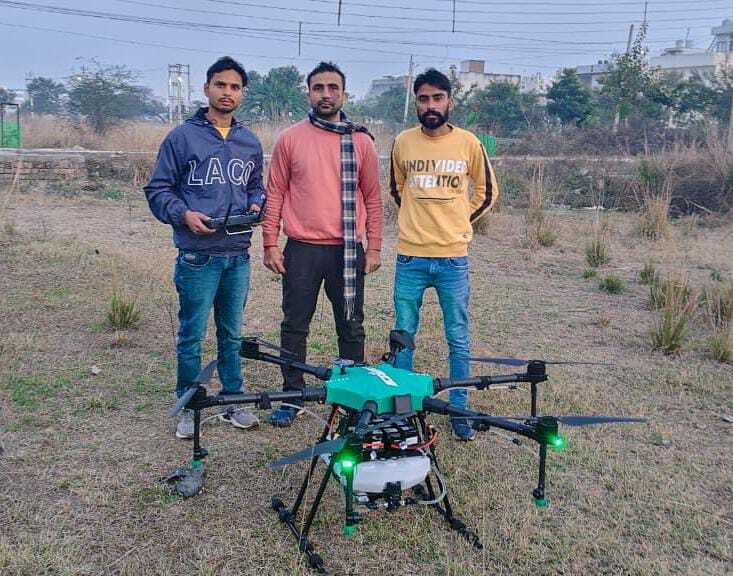
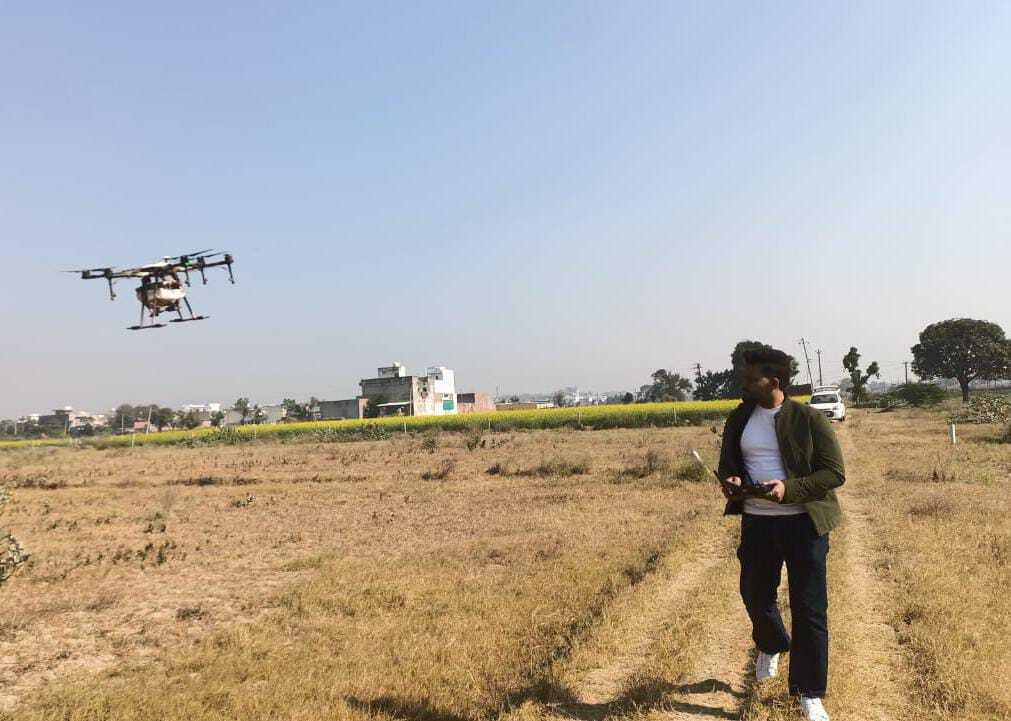
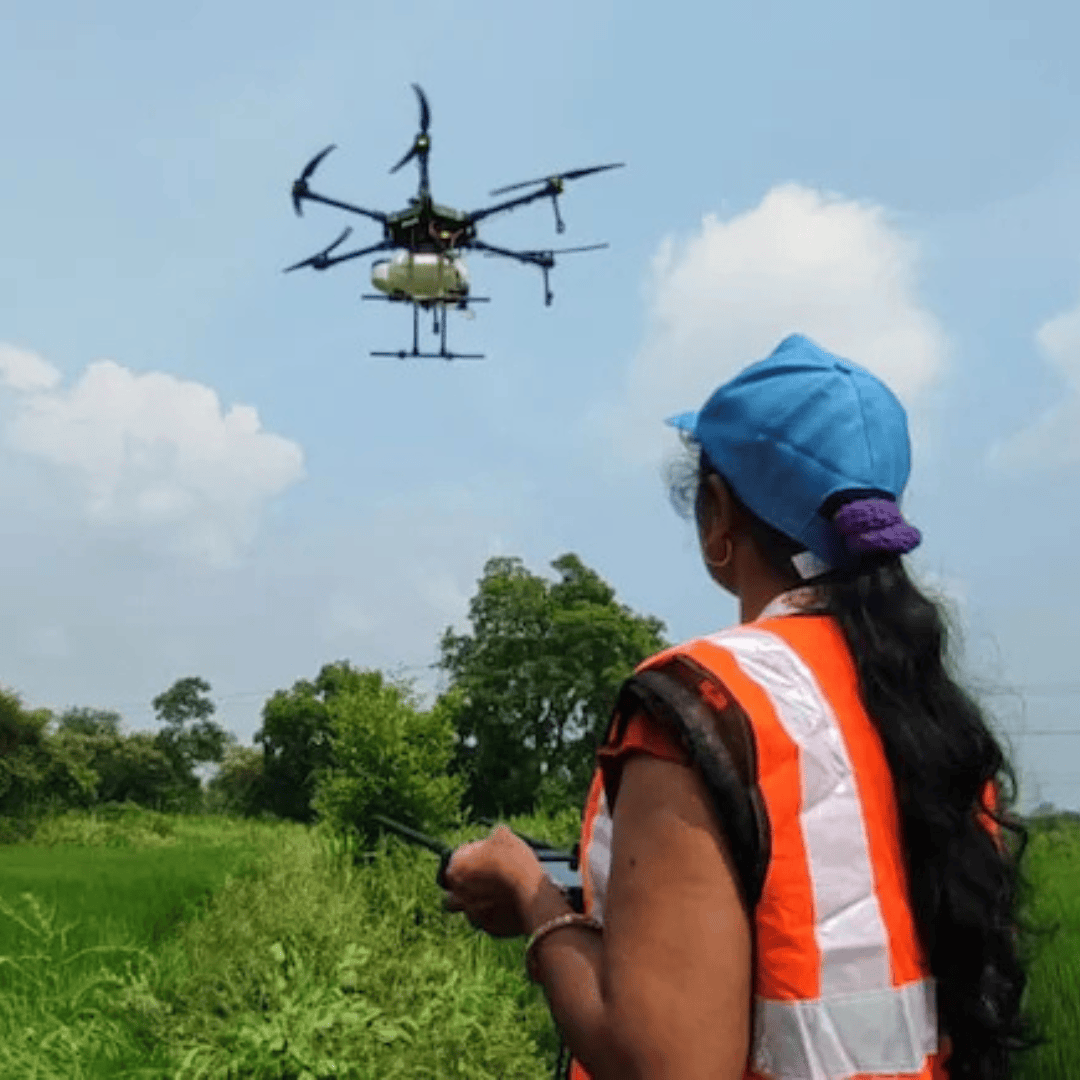
Drone spraying removes the farmer from this danger zone. The operator controls the spray remotely, staying at a safe distance from toxic chemicals. This single difference makes drone spray a health-oriented shift, not just a technological upgrade. The risk of inhalation, skin absorption, and accidental chemical contact is drastically reduced, which is why agricultural drones are increasingly seen as a preventive solution to occupational health hazards in farming.
This is also the key reason why the Government of India is actively promoting agricultural drone spraying. Under initiatives like Digital Agriculture, Kisan Drone schemes, and Skill Development programs, drones are encouraged to reduce farmer fatalities, improve safety standards, and modernize agriculture practices. The government recognizes that protecting farmers’ lives is as important as improving productivity, and drone spraying aligns strongly with this national priority.
Drone spraying removes the farmer from this danger zone. The operator controls the spray remotely, staying at a safe distance from toxic chemicals. This single difference makes drone spray a health-oriented shift, not just a technological upgrade. The risk of inhalation, skin absorption, and accidental chemical contact is drastically reduced, which is why agricultural drones are increasingly seen as a preventive solution to occupational health hazards in farming.
This is also the key reason why the Government of India is actively promoting agricultural drone spraying. Under initiatives like Digital Agriculture, Kisan Drone schemes, and Skill Development programs, drones are encouraged to reduce farmer fatalities, improve safety standards, and modernize agriculture practices. The government recognizes that protecting farmers’ lives is as important as improving productivity, and drone spraying aligns strongly with this national priority.
Advantages of Using Agriculture Drones for Farmers